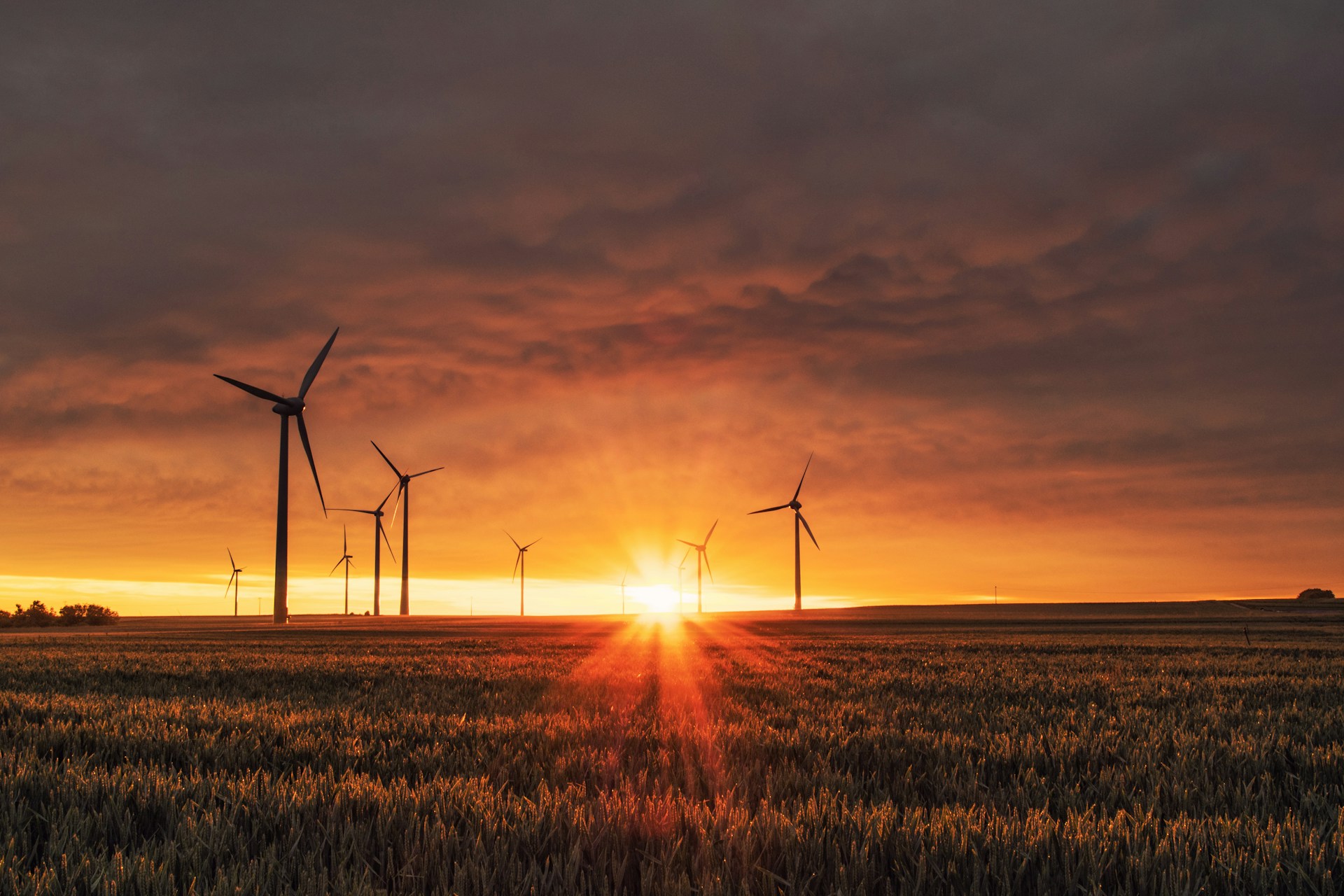
Photo by IRENA
MANILA, PHILIPPINES [TAC] – The newly released Renewable Energy and Jobs – Annual Review 2025 by the International Renewable Energy Agency (IRENA) and the International Labor Organization (ILO) paints a complex picture of the global energy transition.
While 2024 saw a record-breaking surge in renewable energy capacity, employment growth slowed significantly to just 2.3%, bringing the total workforce to 16.6 million.
The report highlights a growing gap between technological deployment and job creation, driven largely by automation, economies of scale, and geopolitical frictions.
| Technology | Jobs in 2024 | Key Regional Insights |
| Solar PV | 7.3 Million | Asia hosts 75% of these jobs; China alone has 4.2 million. |
| Liquid Biofuels | 2.6 Million | Roughly 46.5% of jobs are generated in Asia. |
| Hydropower | 2.3 Million | Growth is stable but slower compared to solar. |
| Wind Energy | 1.9 Million | Impacted by supply chain shifts and offshore project delays. |
There are major regional disparities. Development remains heavily concentrated, with China accounting for 44% of the global total (7.3 million jobs). Other major markets showed more modest growth:
- European Union: 1.8 million (Flat compared to 2023).
- Brazil: 1.4 million.
- India: 1.3 million.
- United States: 1.1 million.
IRENA Director-General Francesco La Camera and ILO Director-General Gilbert Houngbo emphasized that the energy transition must be a “just transition.” This means moving beyond installation numbers to ensure socio-economic benefits are felt globally.
The report calls on governments to implement industrial and trade policies that build domestic supply chains and prioritize education, reskilling, and inclusive hiring practices.
While IRENA projects the workforce could grow to 30 million by 2030, the current slowdown suggests that proactive policy intervention—including international collaboration to support lagging regions—is vital to reach that target.
For the first time, the report includes a dedicated chapter on people with disabilities. The ILO estimates that only 3 in 10 persons with disabilities are employed worldwide. The report calls for “accessibility by design” in training systems and workplaces.
“Disability inclusion is not only a matter of justice; it is essential for resilient labour markets and sustainable development,” said Houngbo.
IRENA estimated that worldwide, an average of 1.1 TW must be installed annually to meet the global goal of tripling renewable capacity by 2030.