Laura Clarke OBE, CEO of ClientEarth, delivered crucial insights into regional trends surrounding renewable energy deployment, climate risks and sustainable finance and disclosure.
MANILA, PHILIPPINES – The Philippines is making steady progress toward its renewable energy targets, but government and industry leaders warn that infrastructure gaps and regulatory bottlenecks could stall the transition.
In a stakeholders’ dialogue in Manila on Wednesday, organized by the environmental law charity ClientEarth, with representatives from the Department of Energy (DOE), the Bangko Sentral ng Pilipinas (BSP), and the private sector, discussed the legal frameworks needed to accelerate the country’s shift to clean energy.
The Philippines currently aims to increase the share of renewable energy in its power generation mix to 35% by 2030 and 50% by 2040. While renewables currently account for about 25% of the mix, the transition faces persistent challenges including a weak national grid, complex land acquisition processes, and lengthy permitting timelines.
Infrastructure bottleneck
Panelists were unanimous in the urgency for the energy transition given increasing pump prices and supply crunch and stressed that legal and regulatory frameworks should not be restrictive, but instead act as incentives to drive fossil fuel phase-outs, instill investor confidence and protect household-level consumers.
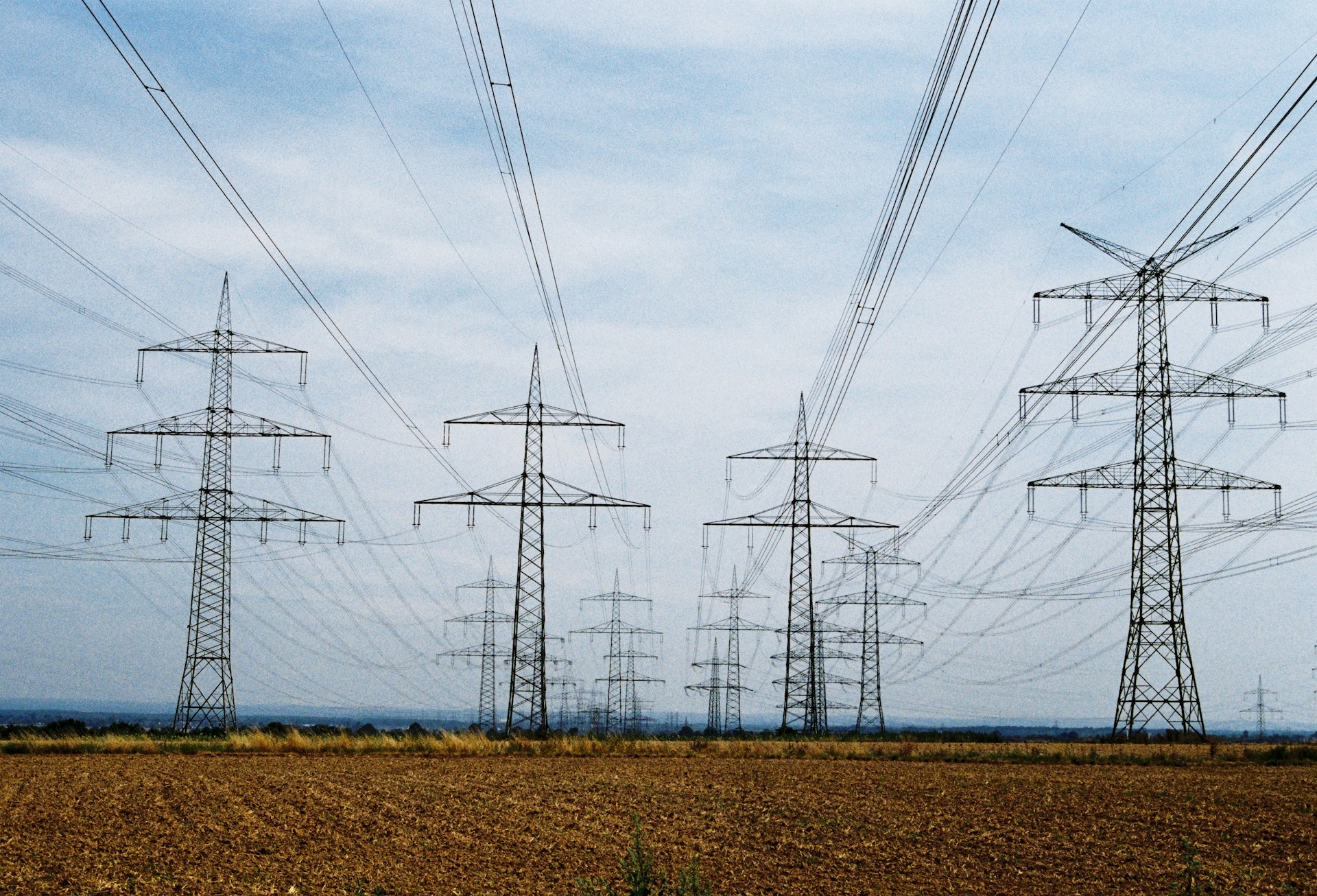
Senator Sherwin Gatchalian stressed the importance of legal tools in fostering grid infrastructure expansion for renewable energy integration as a long-term solution to reduce independence on oil imports which has nearly doubled this month following the Middle East conflict.
When pressed, given that the Philippines only has a 45-day inventory of fuel, has the government come up with a plan to avoid running out of oil, Gatchalian said the short answer is “no”.
He said the government is looking at its “friends” like Canada, possibly even Russia, to secure oil but admitted that this will take time. He also said that they discussed the possibility that the government itself will buy and store fuel in the future to guarantee a longer supply inventory.
For her part, Energy Undersecretary Rowena Guevara noted that while the legal landscape must provide stability for investors, it must also be flexible enough to meet evolving technical needs.
“The law has to be stable, but it cannot stand still,” Guevara said. “Effective regulatory frameworks are critical to accelerating renewable energy deployment and unlocking its full potential.”
Industry leaders at the event emphasized that without significant upgrades to the grid, the country will struggle to integrate the surge of solar and wind power required to hit its 2030 goals. Many argued that current laws should act as incentives to drive the phase-out of fossil fuels rather than functioning as restrictive barriers.
Financing the Shift
The financial sector is also pivoting to address climate risks. Pia Bernadette Roman-Tayag, Assistant Governor of the BSP, stated that the central bank is embedding climate risk into its supervisory framework to ensure sustainability becomes the “path of least resistance” for capital.
The Philippine Stock Exchange (PSE) is similarly pushing for more rigorous sustainability reporting to attract international investors. PSE Chief Operating Officer Roel Refran noted that capital markets are essential for relieving the financial burden of energy developers through long-term funding and transparent disclosure practices.
Unified Legal Approach
The dialogue concluded with a call for stronger collaboration between the public and private sectors to align regulations and reduce policy barriers.
Laura Clarke, chief executive officer of ClientEarth, emphasized the role of legal analysis in turning high-level climate goals into reality.
“Legal mechanisms and frameworks have a critical role to play in turning national ambitions into critical implementation to future-proof energy system reliability and consumer protection,” Clarke said. She added that the dialogue served as a space to “identify practical ways to work together towards a unified climate ambition.”
The need for stakeholders to work together was also reiterated by Guevarra. She underscored the role that laws and regulations play in the country’s bid for better energy systems and investments toward clean energy, emphasizing that “legal and financial tools can guide the necessary capital allocations towards supporting climate and energy goals.”