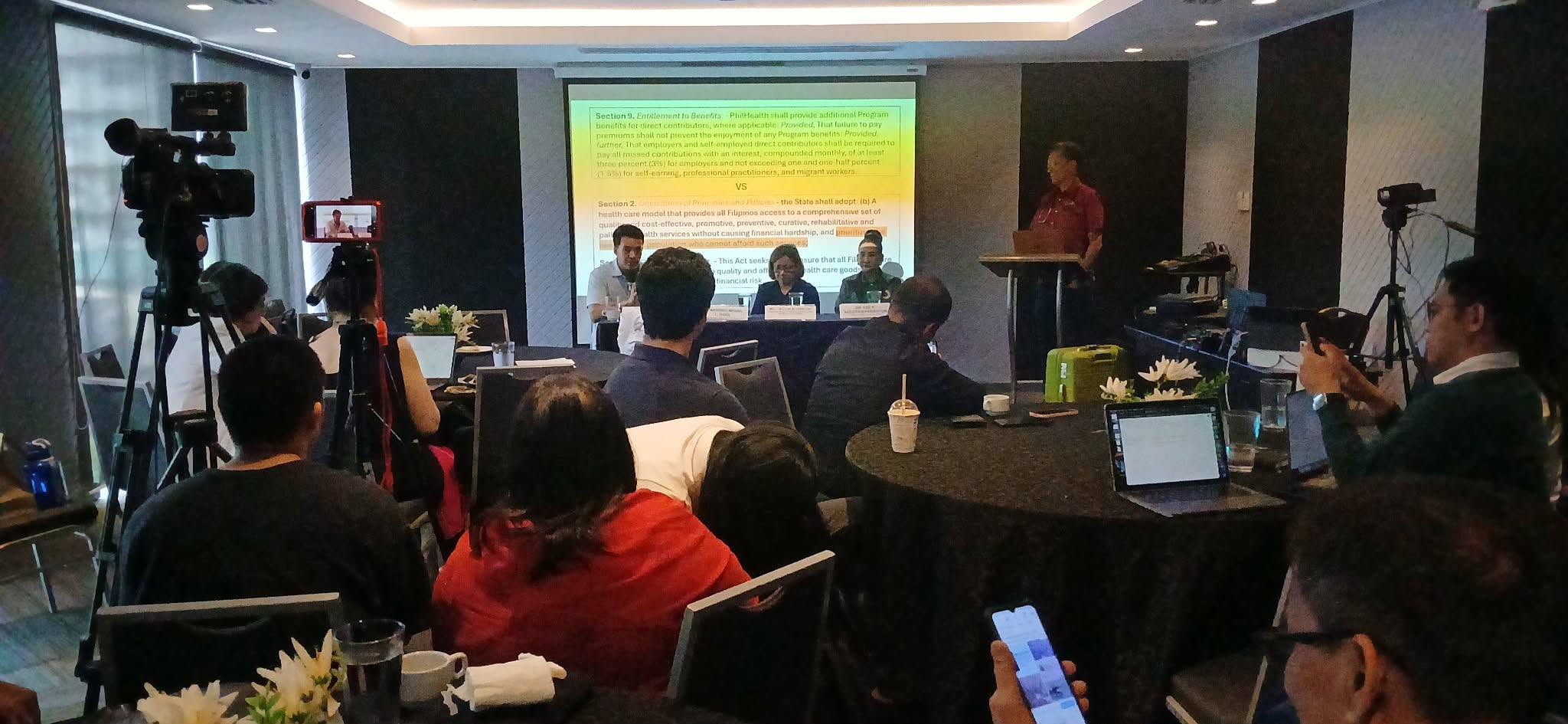
MANILA, PHILIPPINES [TAC] – In a landmark effort to upgrade its vital aquaculture sector, the Philippines recently hosted its first National Industry Dialogue for a Responsible and Sustainable Aquaculture Supply Chain.
The two-day event (October 27-28) brought together representatives from government, workers’ and employers’ organizations, and development partners to tackle human and labor rights risks amid ongoing global disruptions.
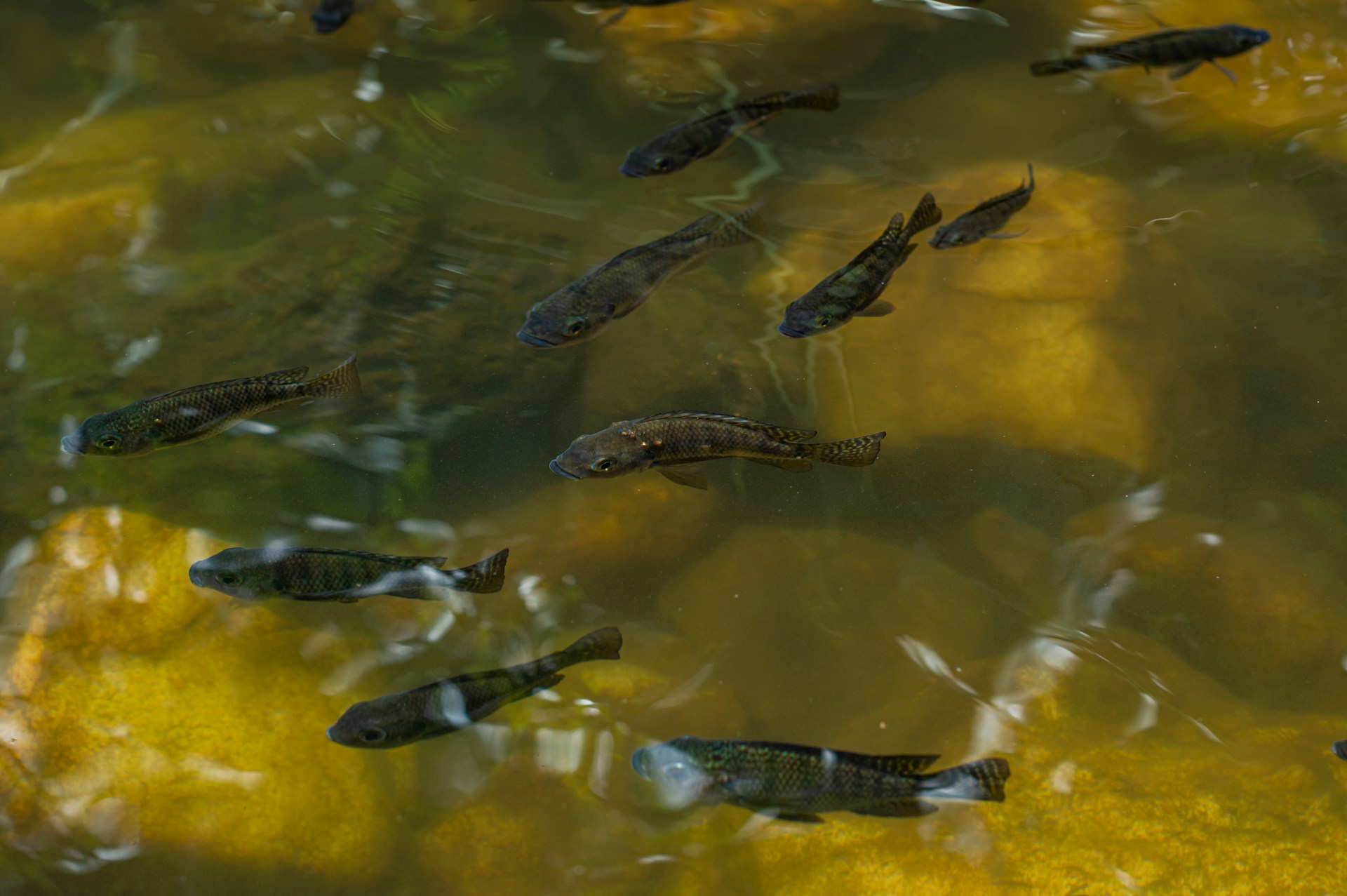
Aquaculture is a crucial, though often underrecognized, pillar of the Philippine economy, contributing over half of the country’s total fisheries production — ranking as the world’s top seaweed producer and 12th in overall aquaculture output.
Despite its significance, the industry faces persistent challenges that hinder its potential for providing quality jobs and sustainable livelihoods. These include widespread informal employment, low and unstable incomes, unsafe working conditions, child labor and limited access to social protection.
The goal of the dialogue is to boost the sector’s productivity and competitiveness alongside its commitment to supply chain resilience and sustainability. This is to be achieved by directly addressing labor risks and expanding decent work and responsible business conduct.
Khalid Hassan, director of the ILO Country Office for the Philippines, emphasized the urgency, noting, “As global demand for ethically sourced seafood grows, the industry must meet rising expectations for transparency, environment, social and governance (ESG) due diligence, and stronger labor rights protection.”
Hassan called for stronger collaboration among all stakeholders to help the sector reach its potential.
The event also successfully fostered a meaningful exchange among stakeholders to identify joint priorities and build momentum towards a more responsible and sustainable aquaculture supply chain while making inroads toward making the country’s aquaculture sector more resilient, competitive and sustainable by placing decent work and responsible business at its core.
The initiative is facilitated by the International Labour Organization (ILO) with support from the Government of Japan through the Resilient, Inclusive and Sustainable Supply Chains (RISSC) Project.