Photo by imsogabriel stock on Unsplash
BANGKOK, THAILAND [TAC] – Thailand is scrambling to contain a massive biological crisis as an invasive fish species threatens to collapse the kingdom’s multi-billion aquaculture industry.
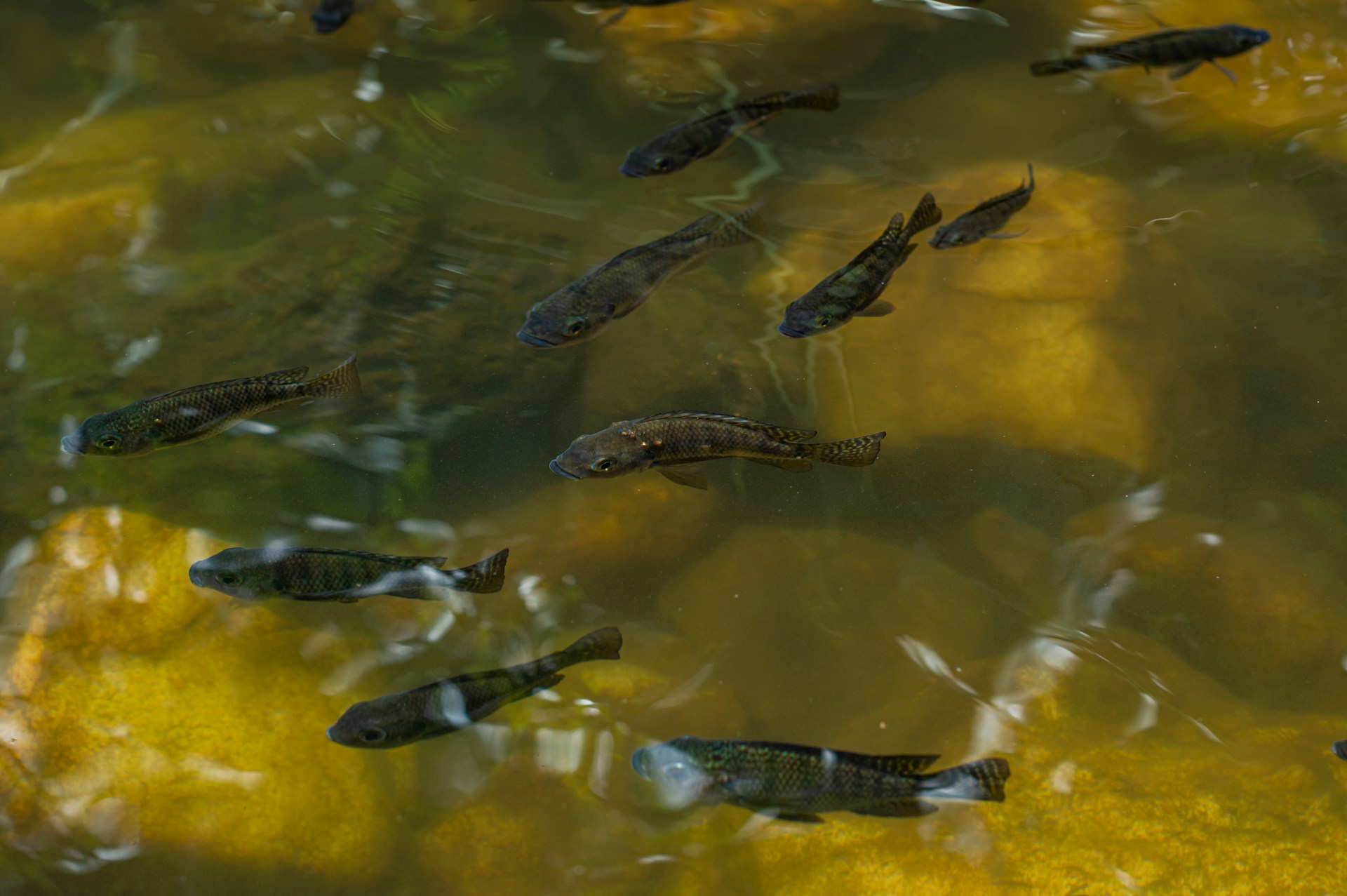
The blackchin tilapia, native to West Africa, has rapidly infiltrated coastal waterways and farming ponds across dozens of provinces, forcing the government to declare a nationwide ecological emergency.
While the situation has devastated local livelihoods, it has left many outside the region puzzled. Southeast Asian nations are famous for their love of tilapia, which serves as a daily dietary staple. However, Thai consumers are flatly refusing to eat the invader, citing a massive drop in culinary quality.
Local fish markets report that blackchin tilapia tastes vastly different from the plump, sweet Nile tilapia farmed throughout Thailand. Because the invasive fish thrives in stagnant, muddy drainage canals and feeds on organic detritus, its flesh carries a pungent, unappealing muddy flavor. Furthermore, the fish are small, stunted, and packed with complex bone structures, making them a frustratingly poor alternative for traditional Thai seafood dishes.
However, in its native range in West Africa, the fish is considered a local delicacy. In its native habitat, natural predators like birds, reptiles, and larger fish keep the population in check, allowing blackchin tilapia to grow to healthy, meaty adult sizes. In countries like Ghana and Cameroon, these large, wild-caught fish are highly prized and regularly tossed into rich, slow-cooked stews or preserved through heavy smoking and drying. In Thailand’s predator-free canals, however, the fish multiply so fast that they remain tiny and unmarketable.
The true devastation is economic. The aggressive invaders routinely breach the gates of lucrative shrimp and crab farming enclosures. Once inside, they reproduce exponentially and devour baby prawns and juvenile crabs, wiping out whole harvests overnight.
To combat the crisis, the Thai government is deploying a multi-pronged emergency strategy. Agriculture officials are releasing hundreds of thousands of predatory Asian Sea Bass into enclosed waterways to act as biological controls, though scientists warn the bass often prefer easier native prey.
The state also has launched a massive bounty program, paying fishers to net the tilapia in bulk. Rather than heading to dinner tables, the captured hauls are being diverted to industrial factories to be processed into bio-fertilizers, livestock feed pellets, and fermented fish sauces where heavy salting masks the muddy taste.
However, marine biologists are sounding the alarm on a far greater threat: the potential for the invasion to spill across international borders.
The blackchin tilapia possesses an incredibly high tolerance for salinity. Recent sightings have confirmed schools of the fish moving directly through pure seawater along coastal tourism hubs. Environmentalists warn that if the fish use ocean currents to migrate northward along the coast, they could easily invade the delicate marine ecosystems and vital aquaculture zones of neighboring Cambodia, Vietnam, and Myanmar, turning a local crisis into a Southeast Asian regional catastrophe.