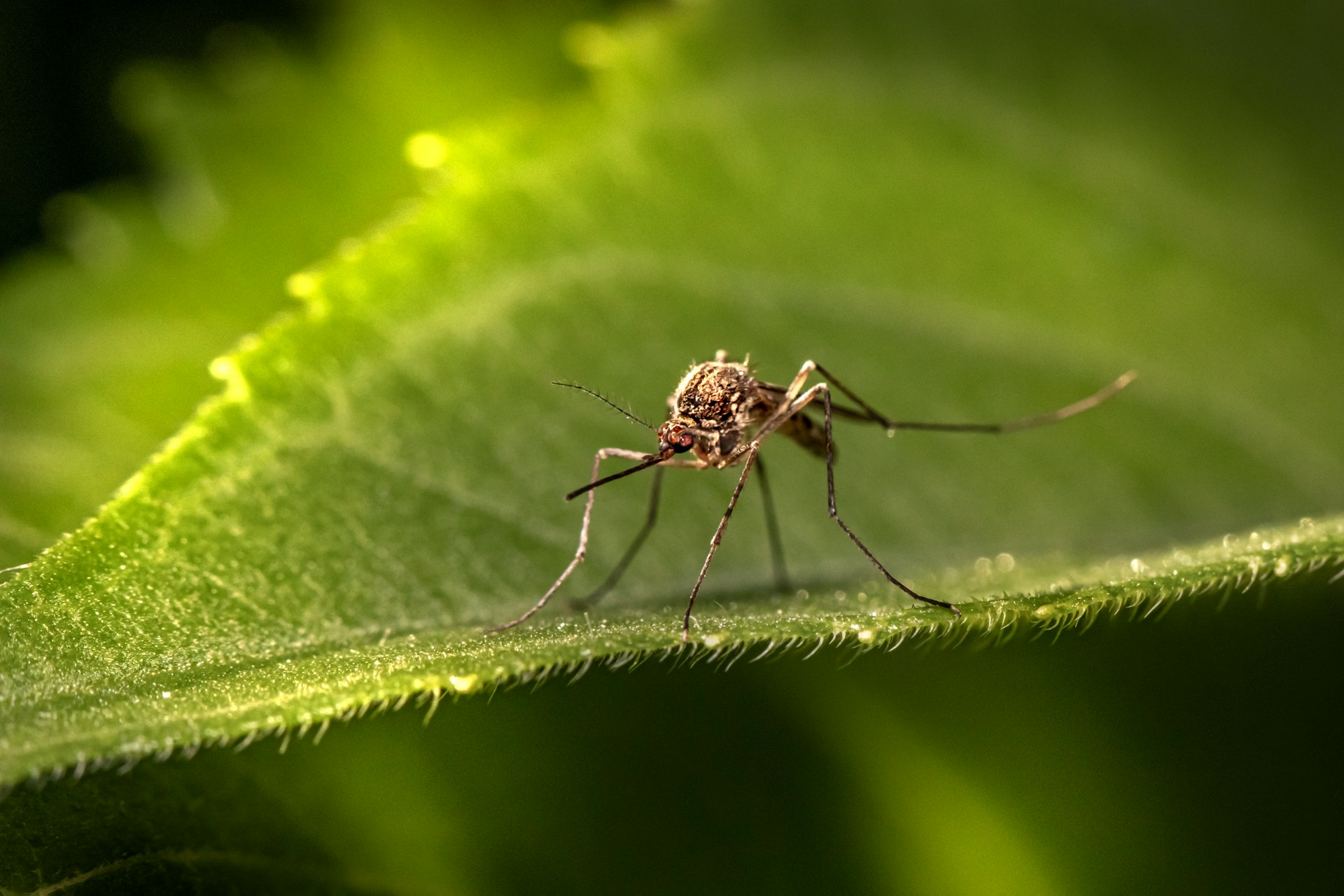
Photo by Erik Karits on Unsplash
MANILA, PHILIPPINES [TAC] — Human alteration of natural landscapes increases the variety of viruses carried by mosquitoes, potentially making them more resilient hosts for disease transmission, according to a study by researchers at the University of the Philippines Diliman.
The research, published in the international journal Parasites & Vectors, analyzed the internal viral ecosystems of Aedes aegypti and Aedes albopictus mosquitoes across areas with different topographies and levels of urbanization in Los Baños, Laguna. Molecular biologists identified viruses from 12 distinct taxonomic groups with the highest viral diversity recorded in built-up, highly disturbed urban environments rather than intact forest ecosystems.
Urbanization Factor
The research team from UP’s National Institute of Molecular Biology and Biotechnology and the Institut Pasteur collected samples from three ecologically distinct zones. The sites spanned a geographical gradient: Bagong Silang, an upstream mountainous forest located over 300 meters above sea level; Lalakay, a midstream terrain; and Bayog, a flat lakeshore community. Satellite data revealed that while the mountain site retained its forest cover over the last four decades, both the midstream and lakeshore sites were heavily converted from agricultural fields into built-up urban zones.
The study found a direct correlation between landscape disruption and viral diversity. Mosquitoes thriving in human-altered landscapes carried a wider array of viruses.
“These mosquitoes are usually disturbance-resilient and are more competent hosts for several viral isolates or strains,” the researchers noted, suggesting that human activity alters the biological dynamics of disease vectors.
‘Biological Syringes’
While the team did not detect human pathogens like dengue, Zika or chikungunya in these specific samples, the mosquitoes were found to heavily harbor insect-specific viruses which do not infect humans.
Among these was the Cell Fusing Agent Virus (CFAV), discovered in two of the surveyed communities. Epidemiologists track CFAV closely because laboratory models suggest it can actively inhibit the replication of deadlier human threats like dengue and Zika within the mosquito itself.
The findings highlight a shifting approach toward public health monitoring, moving away from reactive testing toward proactive genomic tracking. Because mosquitoes feed on a wide variety of animals across different habitats, scientists argue they can be leveraged as natural diagnostic tools.
“Mosquitoes act like biological syringes, feeding on multiple kinds of hosts,” the team stated. “Because of this, they can provide valuable insights into viral diversity across space, time and species.”
The study concludes that expanding the use of next-generation sequencing techniques will be critical for predicting outbreaks before they reach human populations. The researchers called for state-supported arbovirus surveillance programs to monitor baseline viral shifts in real time.