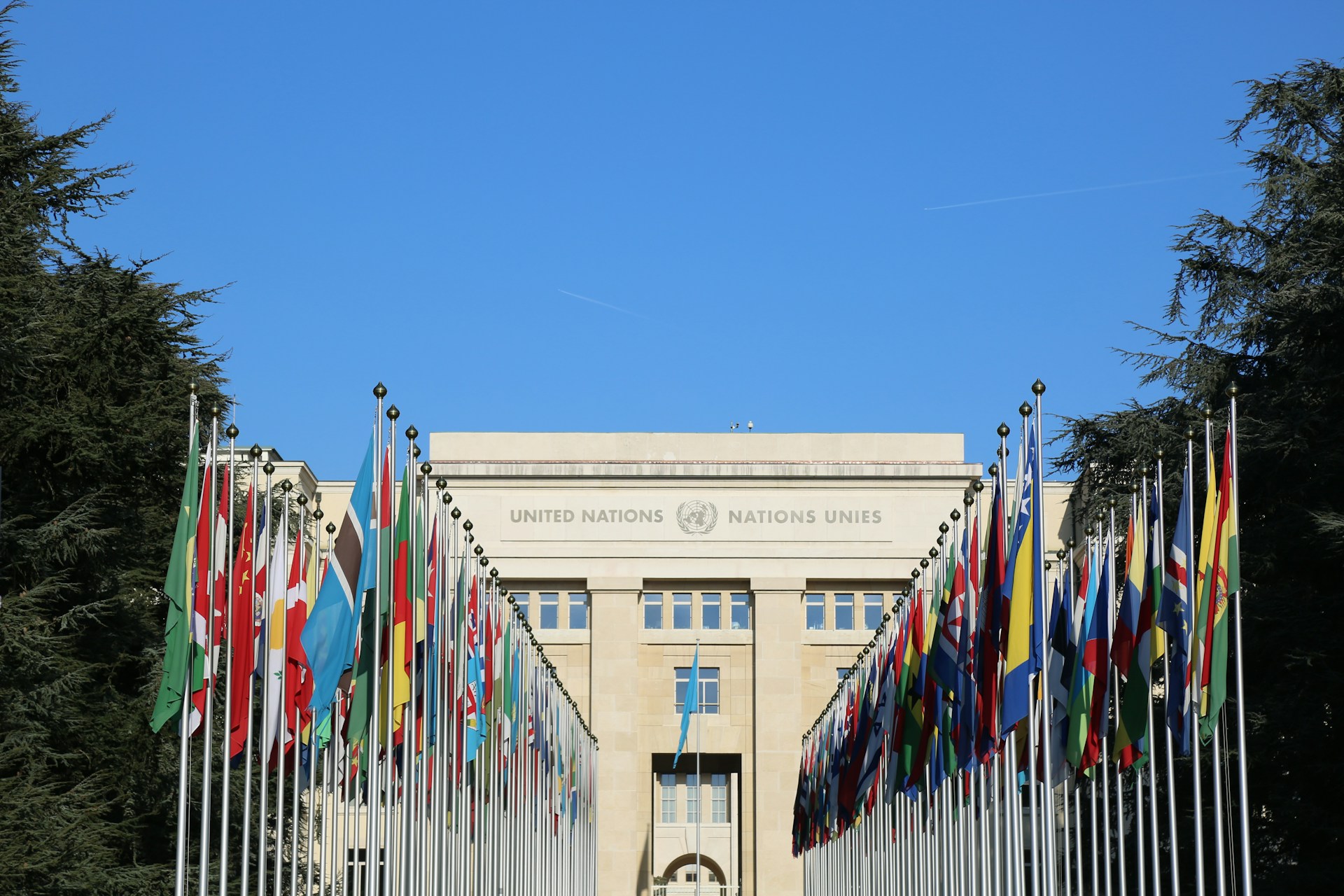
Photo by Salya T on Unsplash
GENEVA, SWITZERLAND [TAC] — Health ministers and global health leaders have called for a United Nations High-Level Meeting by 2028 to rescue faltering targets to eliminate viral hepatitis, which claims 1.3 million lives annually.
The declaration, signed by ministers from eight nations and the African Union, warns that the global response to the disease is failing to match its scale, despite the widespread availability of vaccines, diagnostics and cures.
The ministerial statement was finalized at the World Health Organization (WHO) headquarters during the World Health Assembly. It aims to shift hepatitis from a technical public health discussion to a core international political priority.
“We need to bring hepatitis elimination from a technical issue to a political and strategic one,” said Dr. Manouda Malachie, Cameroon’s Minister of Health, who presented the joint text.
Rising Mortality
Viral hepatitis remains one of the world’s leading infectious killers, primarily driving a surge in chronic liver disease and liver cancer.
A recent WHO report revealed that annual deaths from the virus are rising rather than declining. The trend threatens the organization’s stated goal to eliminate viral hepatitis as a public health threat by 2030.
A cross-regional coalition consisting of Egypt, Brazil, Pakistan, Malaysia, Spain, Ghana, Uganda, and Cameroon convened the Geneva session to secure the financing and international cooperation required to reverse the trajectory.
Delivery Gap
The primary bottleneck for global elimination is not medical technology, but equitable distribution and sustained funding. While a highly effective vaccine exists for hepatitis B and a short, oral curative treatment can cure over 95% of chronic hepatitis C infections, diagnostic and treatment rates remain low in developing economies.
The ministerial group stated that a formal UN General Assembly summit is a necessary mechanism to enforce political accountability and unlock state-level capital allocation.
“Accelerated action, enhanced investment, and strengthened implementation are urgently
needed to achieve elimination targets,” the joint statement noted.
Public health officials at the meeting, including representatives from the Coalition for Global Hepatitis Elimination, emphasized that the virus must be integrated into broader universal healthcare initiatives rather than treated as an isolated medical issue.