Photo by NEOM on Unsplash
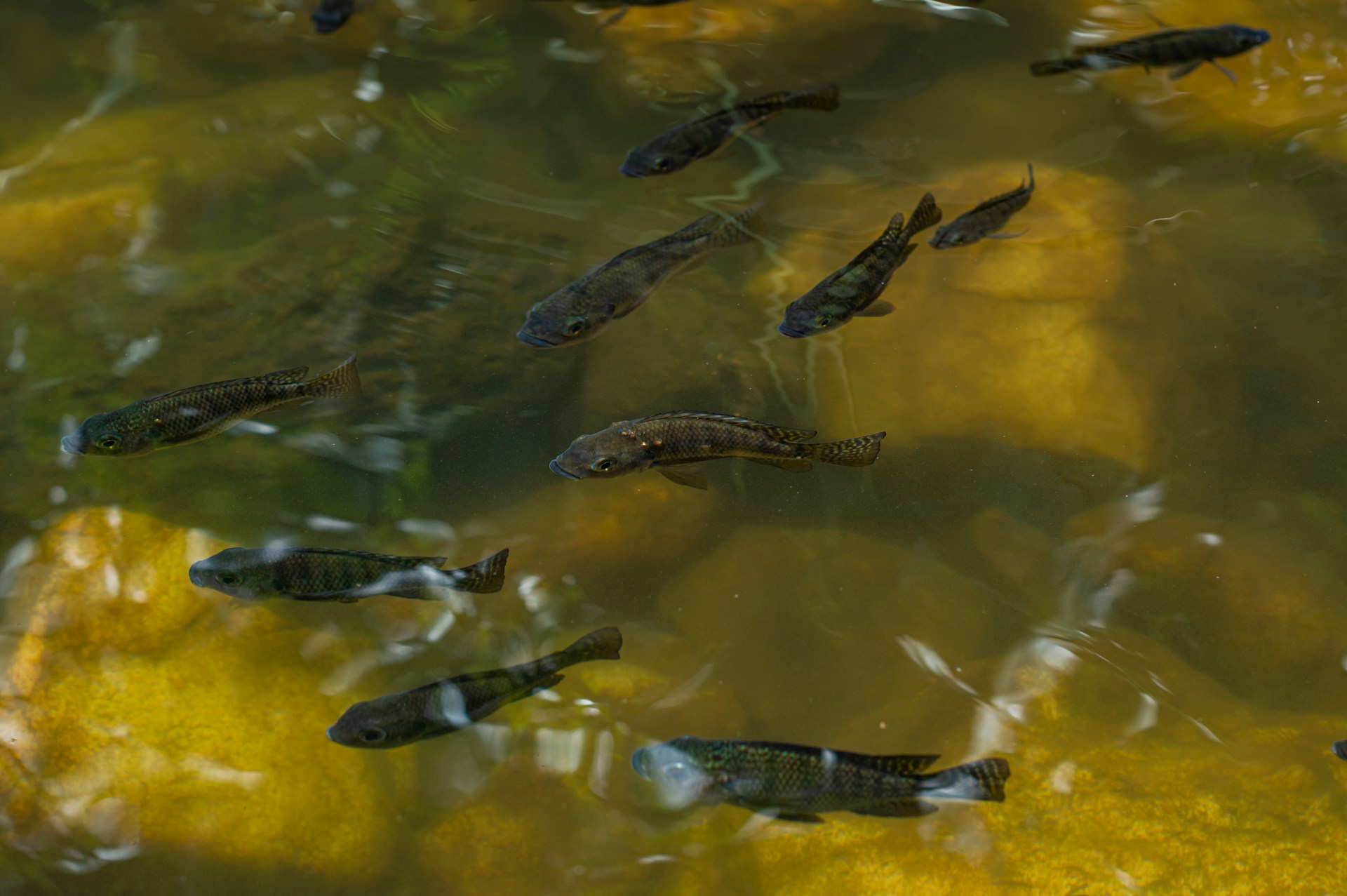
MANILA, PHILIPPINES [TAC] – A mysterious environmental crisis in Papua New Guinea’s New Ireland province has left over 750 people ill and thousands of marine animals dead, sparking a food security emergency and calls for an international investigation.
Since late 2025, coastal communities along the eastern Boluminski Highway have reported mass die-offs across at least 15 marine species, including fish, eels and sharks. Residents who came into contact with the seawater have reported severe skin welts, respiratory distress and gastrointestinal illness.
The health ministry documented the case of a 12-year-old boy who reported that his face swelled so much his eye closed, describing the feeling as “hot cooking oil” on his skin.
“Families can no longer rely on the ocean for food,” said Martha Piwas, a local community leader. “Mothers cannot feed their children fish anymore. People are getting sick, and we still don’t know why.”
Ailan Awareness, a local marine conservation group, documented 3,451 dead organisms during a recent five-day survey. The reports described “bewildering” sights, including fish with eyes missing or popped from their sockets and flesh tinged with an unusual green hue. John Aini, founder of Ailan Awareness, noted a strong sulfuric smell near affected reefs.
Jude Tukuliya, managing director of the Papua New Guinea Conservation and Environment Protection Authority said they collected water, soil and tissue samples from the hardest-hit villages including Manggai, Kafkaf and Lamusmus. These are currently being analyzed at the Kilakila laboratory in Port Moresby.
Meanwhile, the PNG government has maintained its warning for residents to avoid eating local catch until further notice fueling frustration among residents in the most impacted villages who are now without their primary source of protein and income.
The crisis highlights the vulnerability of the region’s middle and lower-class households, many of whom are a single ecological disaster away from the poverty line. With fishing effectively halted, local markets have seen a collapse in trade, and families are struggling to afford imported food alternatives as the national currency remains under pressure.
Papua New Guinea’s Minister for Fisheries and Marine Resources, Jelta Wong, told Parliament that the government is taking a “precautionary approach” while awaiting definitive lab results.
“We are looking at all options,” Wong said, noting that once the contaminant is identified, the Institute of Medical Research will work on a specific treatment response for those already showing symptoms.
Earlier scientists weighted four theories for the contamination: harmful algal blooms like the Ostreopsis genus, industrial contamination mining operations in the area, geothermal activity from underwater volcanic vents and farm runoff resulting to pesticides and fertilizers leaching into lagoons.
In the interim, the New Ireland Provincial Disaster Committee has officially declared Kafkaf village a “contaminated area” and “unfit for human habitation” essentially turning residents into internal refugees. Local authorities have urged residents to switch to ground or well water for daily consumption and to source seafood only from unaffected parts of the province.