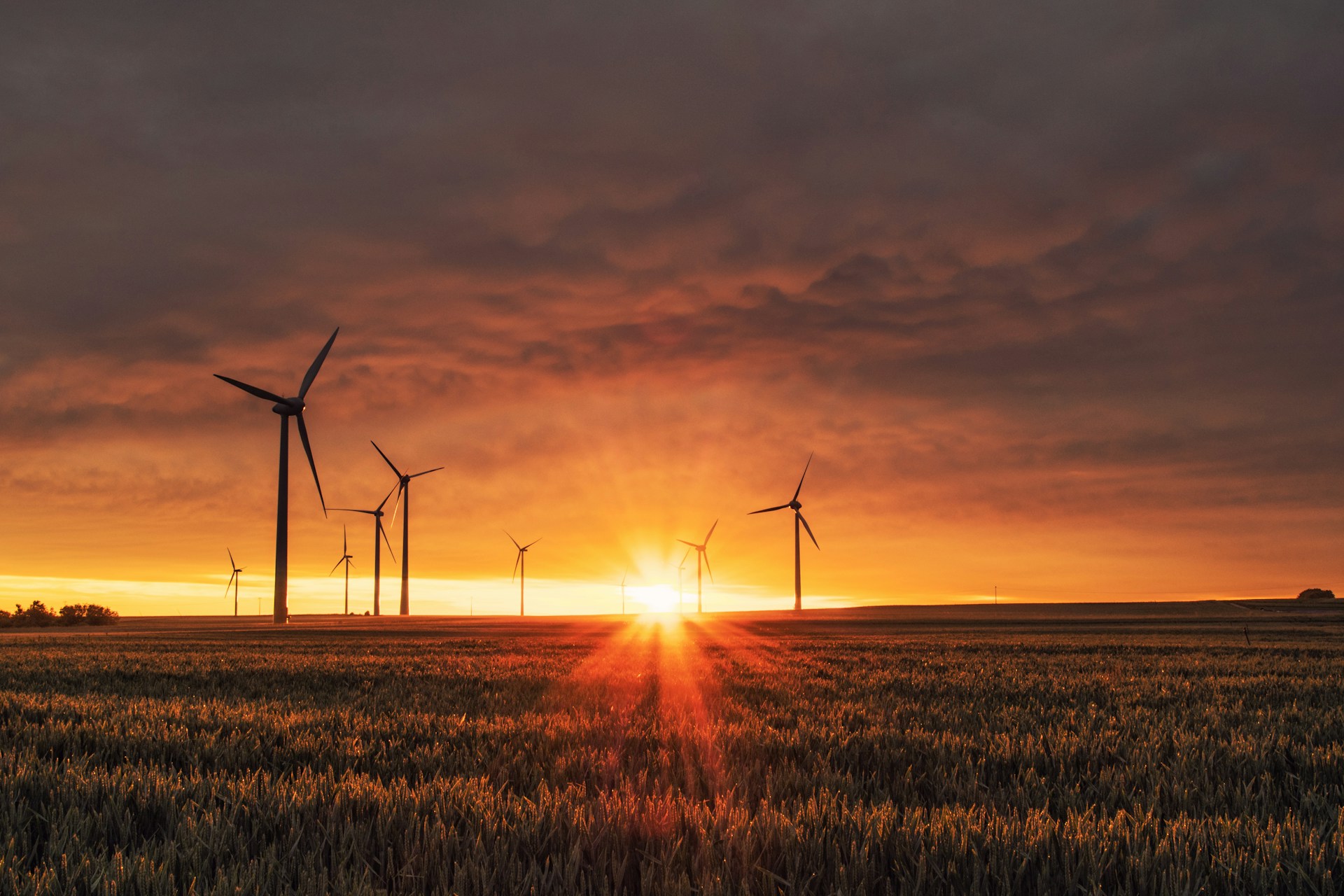
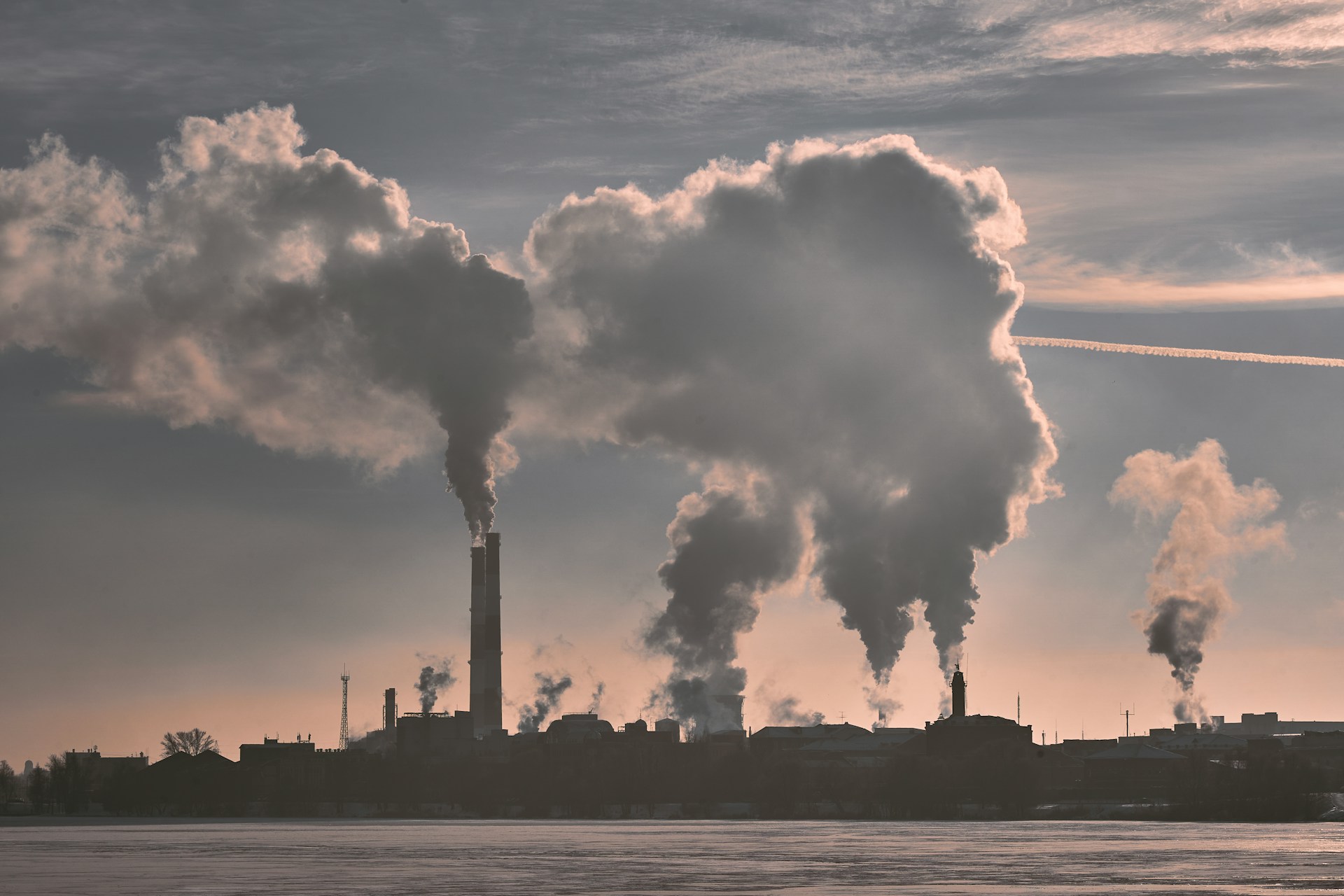
Photo by Guy Bowden on Unsplash
MANILA, PHILIPPINES [TAC] – Global climate mitigation scenarios, the mathematical blueprints used by UN bodies and national governments to chart the path to net-zero, are facing a crisis of legitimacy.
A new study led by the International Institute for Applied Systems Analysis (IIASA) and published in PLOS Climate warns that these influential tools frequently prioritize raw economic cost-efficiency over equity, risking public backlash and the collapse of international cooperation.
By identifying structural and methodological “blind spots,” the researchers propose a roadmap to integrate justice directly into climate modelling—transforming them from technical exercises into politically viable policy guides.
Current models often dictate who should cut emissions fastest and who should foot the bill based on where it is cheapest to do so. This approach, while logically sound in a vacuum, often sidelines the unequal historical responsibilities and development needs of the Global South.
“We wanted to move the discussion forward on how to integrate fairness into future scenarios,” says Shonali Pachauri, lead author and research group leader at IIASA.
The study categorizes the failures of current modeling into three tranches: structural (who builds the models), methodological (the obsession with cost over distribution), and epistemological (the difficulty of measuring justice at a policy scale).
The researchers argue that for climate action to be “fair, feasible, and politically credible,” the industry must move beyond incremental technical fixes. The proposed agenda includes embedding climate finance directly into scenario design, safeguarding “decent living standards” for all populations, and involving underrepresented communities in the modeling process itself.
This shift recognizes that a scenario that is technically possible on a spreadsheet may be a political non-starter if it perceived as fundamentally unjust by the public or developing nations.
Crucially, the authors emphasize that models are not value-neutral. They are visions of “who gets what future,” according to Keywan Riahi, Director of the IIASA Energy, Climate, and Environment Program.
While the study acknowledges that models cannot replace moral judgment or diplomatic negotiation, it asserts that transparency and pluralism are as vital as technical sophistication.
As global cooperation becomes increasingly fragile, the researchers conclude that embedding equity into these pathways is the only way to build the trust necessary to unlock broad public support for the energy transition