
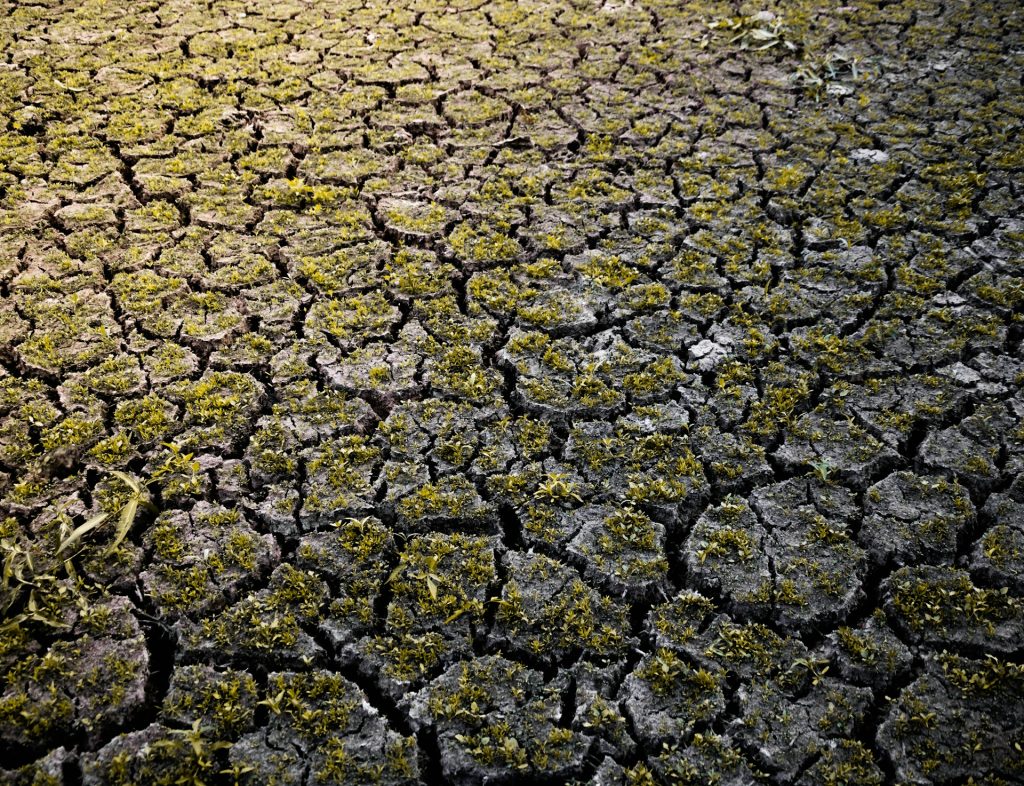
Photo by Nicolas Houdayer on Unsplash
LONDON, UK [TAC] – An international team of researchers has outlined five critical steps for governments and global agencies to better prepare for an El Niño, warning that proactive measures are urgently needed to mitigate severe public health crises worldwide.
In a call to action published in The Lancet led by researchers from the University of Bristol, scientists emphasized that while the periodic warming of sea surface temperatures is known to amplify climate-related health hazards, the specific health burdens remain largely unquantified.
“We know the number of people affected by climate-related disasters is strongly influenced by the El Niño cycle, but there is little evidence available establishing how much of the health burden can be attributed to climate change and how much was driven by El Niño,” said study lead author Dr. Ruby Lieber, senior research associate in Climate Science at the University of Bristol. “Since the current El Niño pushes many regions into more extreme climates, there’s a pressing and unprecedented need to better understand, measure, and pinpoint the different dangers for individual countries and places.”
Forecasters warn that the current El Niño could be among the strongest on record. El Niño is characterized by abnormally warm sea surface temperatures in the central and eastern parts of the equatorial Pacific which directly impacts weather patterns globally leading to severe dry spells and drought in certain places especially in Southeast Asia and short-term heavy rainfall in others.
The study underscores that these extreme climate shifts trigger wide-ranging health risks, including the rapid spread of waterborne and vector-borne infectious diseases like malaria and dengue, severe malnutrition driven by agricultural crop failures, and acute heat-related conditions such as heatstroke and dehydration. A severe drought could also impact the stability of water supply in several affected countries.
Because El Niño cycles can be forecasted months in advance, the authors argue that vulnerable nations have a vital window to implement targeted protective measures. However, teasing apart the exact drivers remains a scientific hurdle.
Co-author Dann Mitchell, Shanta Professorial Chair in Planetary Health at the University of Bristol, noted that global institutions cannot afford to ignore the threat.
“Climate and health researchers must unite, with the full backing of national and international agencies, to create a much more advanced evidence base,” Mitchell said. “This will enable us to ramp up global resilience and implement adaptation strategies to mitigate the many deeply concerning health implications, particularly for countries more acutely exposed.”
Five-Point Action Plan
To close the data gaps and protect vulnerable populations, the Lancet report recommends five strategic actions for governments and international bodies:
- Official UN Mobilization: The United Nations and other international bodies must prioritize health protection and disease prevention immediately upon the official declaration of an El Niño event.
- National Support Systems: National governments must be actively supported in assessing local population health risks and implementing precautions, including robust early-warning systems.
- Attribution Science: Scale up El Niño-focused climate-health attribution studies to isolate human-induced climate impacts from natural cycles, using findings to shape policy.
- Continuous Monitoring: Regularly review evolving health effects to establish a comprehensive impact picture and address emerging research gaps.
- Cost-Effectiveness Assessments: Evaluate the economic efficiency of adaptation measures, such as urban flood defenses, health infrastructure strengthening, and food system resilience initiatives.
Researchers stressed that executing these steps will require deeper collaboration between climate and health scientists, alongside coordinated funding from entities including the World Health Organization, the World Bank, and various non-governmental organizations.